The bridal gown, an universal icon of union and event, tackles extensive and elaborate forms throughout societies. In China, with its millennia of constant people, the bridal gown is not just a garment yet an abundant tapestry woven with threads of background, ideology, social standards, and regional variety. A research of the Chinese wedding event outfit, particularly concentrating on its manifestations around the 16th century and its development to the present day, exposes an interesting narrative of social identity, aesthetic concepts, and symbolic communication. This report will look into the historic context of the 1500s, discover the leading styles and their meanings, map the development through succeeding dynasties and right into the modern-day age, and take a look at the modern landscape where tradition and globalism intersect.
1. Historical and Social Context of the 1500s in China
To comprehend the bridal gown of the 1500s, one need to first locate it within its historical framework. The 16th century in China dropped within the Ming Dynasty (1368-- 1644), a duration marked by the re-establishment of Han Chinese policy after the Mongol-led Yuan Dynasty. Should you loved this informative article in addition to you desire to obtain more details concerning fine jade jewelry hong kong i implore you to check out our web page. This was an era of wonderful cultural loan consolidation, economic success, and a mindful resurgence of pre-Mongol customs, particularly those of the Tang and Song Empires. Confucian ideals, which highlighted social pecking order, filial piety, and propriety, were the bedrock of culture. These concepts were diligently shown in all facets of life, consisting of garments, which was governed by sumptuary legislations that determined outfit based on social condition.
The idea of marital relationship was a cornerstone of Confucian culture, seen not equally as a union in between 2 individuals however as a contract in between two family members, important for proceeding the ancestral line. The wedding was one of one of the most vital initiation rites, and every component, especially the apparel, was stuffed with symbolic significance meant to honor the couple with joy, prosperity, and several youngsters.
2. The Ming Empire Wedding Apparel: Style, Shade, and Symbolism
Throughout the Ming Empire, the essential bridal gown for a Han Chinese bride-to-be was not the white gown familiar in the West, yet a magnificent set centered on the shade red. The most official and respected clothing was the " fengguan xiapei" (凤冠霞帔), which equates to "phoenix crown and glowing cloud cape."
The Fengguan (Phoenix Metro Crown): This was a fancy headdress, usually constructed from kingfisher feathers, gold, pearls, and jewels. It was not a crown in the Western sense yet an intricate structure that imitated a phoenix az in trip. The phoenix az, the mythological queen of all birds, was the sign of the empress and, by extension, represented the bride-to-be as the future matriarch of her brand-new household. It symbolized high merit, appeal, and elegance. The elaborate workmanship and making use of beneficial materials also showed the household's wide range and social standing.
The Xiapei (Glowing Cloud Cape): This was a long, embroidered stole that was draped over the shoulders and crossed over the breast. It was normally a deep red color and highly embroidered with symbols such as dragons and phoenixes (standing for the unified balance of male and lady, the emperor and empress), blossoms (like peonies for riches and honor, and lotuses for purity), and various other advantageous motifs.
The Main Garment: Underneath the xiapei, the bride wore a formal aoqun (袄裙) set, which contained a coat (ao) and a wrap-around skirt (qun). The whole clothing, from coat to skirt, was almost invariably in tones of red-- scarlet, crimson, or vermilion. In Chinese society, red is the shade of good luck, happiness, prosperity, fine jade jewelry hong kong and vigor. It is believed to ward off bad spirits and usher in a fortunate future. The usage of red for a wedding event dress was, and for lots of still is, non-negotiable.
Embellishments and Devices: Embroidery was the primary medium for design. Past the phoenix and dragon, common motifs included:
Double Joy Character (囍): One of the most direct sign of marriage joy
> Mandarin chinese Ducks: A pair of mandarin ducks mate permanently, making them an effective sign of conjugal integrity and love
> Butterflies: A homophone for "aged" in Chinese, standing for a want the couple to age with each other
> Fruit and Seeds: Signs of fertility and the blessing of lots of youngsters
>
>
The bridegroom's clothing was similarly formal, typically a round-collar bathrobe, often in a dark shade like blue or black, yet additionally frequently featuring red aspects, and covered with a black hat. His set matched the bride's, signifying their new union
>
>
3. Regional and Ethnic Variations
>
While the fengguan xiapei stood for the Han Chinese elite perfect, China's vast territory incorporated countless ethnic groups with distinct customs. The Manchu people, who would later on develop the Qing Dynasty, had different designs. Moreover, within Han areas, there were local variants in needlework strategies, such as the elaborate Suzhou needlework or the vibrant Shu needlework from Sichuan, which would certainly pass on a special regional personality to the wedding event garments
>
>
4. Evolution from the Qing Dynasty to the Republic Era
>
The loss of the Ming Empire and the rise of the Qing (1644-- 1912) brought significant adjustments. The Manchu rulers imposed their very own garments designs, most notably the qipao (cheongsam) and the lengthy bathrobe for guys. For wedding celebrations, Han Chinese ladies typically adapted, in some cases putting on a hybrid style or scheduling the full fengguan xiapei for the most formal pictures, while putting on a Manchu-inspired robe for the ceremony itself. The shade red, however, continued to be vital
>
>
The very early 20th century and the Republic of China duration (1912-1949) saw the initial major infusion of Western influence. As China opened, city, enlightened pairs started to explore Western-style white wedding celebration gowns. This was a symbolic break from tradition, standing for modernity and originalities. Nevertheless, this was greatly constrained to major coastal cities like Shanghai, while the large countryside clung to standard red attire
>
>
5. The Modern and Contemporary Chinese Wedding Gown
>
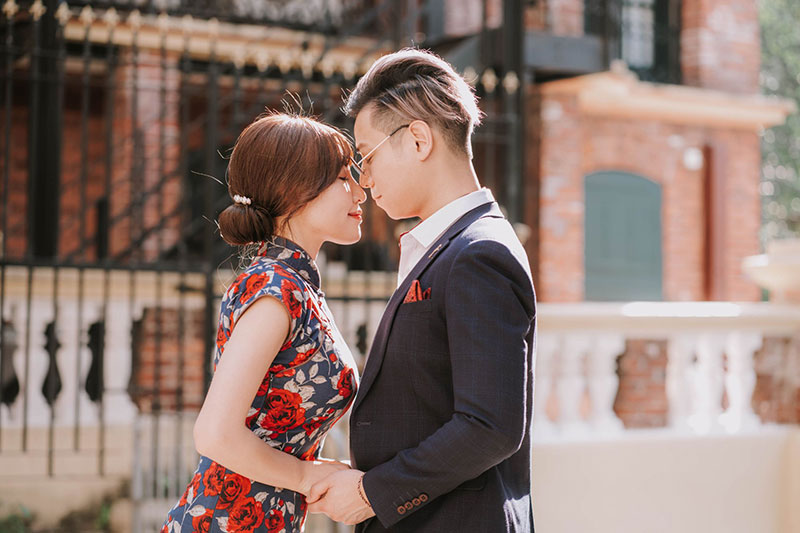
The contemporary Chinese wedding celebration is an interesting study in cultural synthesis. Today, it prevails for a pair to have not one, yet numerous clothing for their wedding day, reflecting a mix of tradition, personal preference, and international fads
>
>
- The Traditional Ceremony (The "Chinese" Component): Several couples still honor their heritage by carrying out a traditional tea ceremony for their moms and dads and senior citizens. For this, the bride will commonly use a modern-day analysis of a standard gown. This might be a top quality recreation of a Ming or Qing empire aoqun or a qipao in dazzling red silk, heavily stitched with gold thread. The fengguan has actually likewise seen a huge rebirth, with modern brides going with fancy, albeit commonly lighter and less valuable, versions for picture shoots and ceremonies.
- >
- The Banquet (The "Western" Part): For the main wedding reception, which is the huge, congratulatory celebration with buddies and coworkers, the new bride will certainly generally put on a white Western-style wedding celebration dress. This gown is a straight import of the international bridal apparel industry and signifies love, purity, and modernity. The choice of a white gown for the general public celebration shows the deep infiltration of Western social standards.
- >
- The Evening Gown (The "Glamour" Component): It is additionally popular for the bride to become one or even more evening dress, often in shades like pink, gold, or blue, for the last part of the banquet. This showcases the bride's fashion feeling and adds a touch of beauty and festivity.
- >
>
6. The Revival of Hanfu and Cultural Satisfaction
>
A significant recent fad is the Hanfu activity, a social revivalist sensation where youths, particularly of Han ethnic culture, choose to put on historical-style clothes in daily life and for special occasions. This has had a straight effect on wedding apparel. An increasing number of pairs are currently selecting full, historically precise wedding ensembles from details empires, many generally the Ming, for their entire event. This is greater than a style selection; it is a declaration of cultural pride and an aware reconnection with a pre-modern Chinese identity that is regarded as more genuine and stylish
>
 >
>Final thought
>
The Chinese wedding celebration outfit is a vibrant and deeply symbolic artefact. Its trip from the strictly ordered, symbolically dense fengguan xiapei of the Ming Dynasty to the multifaceted, hybrid wardrobes of today's new brides mirrors China's very own facility journey via background. The enduring power of the color red, the phoenix metro, and the dual joy personality speaks with the strength of core cultural values. Simultaneously, the embrace of the white dress and the rebirth of historical Hanfu show a continuous settlement in between practice and modernity, and in between nationwide identification and international impact. To research the Chinese wedding outfit is to recognize that it is much even more than material and string; it is a living, progressing language of祝福 (zhufu - blessings), identity, and wish for the future
>
>In China, with its millennia of constant people, the wedding dress is not merely a garment but a rich tapestry woven with strings of background, philosophy, social norms, and regional diversity. A research of the Chinese wedding celebration gown, particularly concentrating on its manifestations around the 16th century and its development to the present day, exposes a remarkable narrative of cultural identification, aesthetic principles, and symbolic communication. Throughout the Ming Empire, the ultimate wedding event dress for a Han Chinese bride-to-be was not the white dress acquainted in the West, yet a magnificent ensemble focused on the shade red. The Banquet (The "Western" Component): For the major wedding celebration banquet, which is the large, commemorative event with buddies and coworkers, the bride-to-be will nearly constantly wear a white Western-style wedding event dress. The Chinese wedding gown is a dynamic and deeply symbolic artefact.


